





What Is SEO and Why is it Important? Complete Beginner-Friendly Guide for 2026
If you are running a business or a website, you must understand What Is SEO and Why is it Important? SEO is one of the most effective digital marketing strategies in the world. It helps your website appear at the top of Google search results, brings organic traffic, builds trust, and grows your online presence without paying for ads. Many business owners, bloggers, and marketers still don’t fully understand what SEO actually means or how it works. This simple guide will help you understand everything clearly.
Introduction – Understanding What Is SEO and Why is it Important?
Search Engine Optimization (SEO) is the process of improving your website so it can rank higher on search engines like Google, Bing, and Yahoo. When someone searches for a keyword related to your business, SEO helps your website appear in the top results. But before learning deeper, let us first understand exactly What Is SEO and Why is it Important?
What Is SEO? (Simple Definition for Beginners)
SEO stands for Search Engine Optimization. It means optimizing your website content, images, speed, pages, and structure so that search engines understand your website better. When your website is fully optimized, search engines trust your content and rank it higher.
SEO includes:
- Keyword Research
- On-Page Optimization
- Off-Page Optimization
- Technical SEO
- Content SEO
- Local SEO
- Link Building
- User Experience (UX)
Why SEO Matters Today (2026 Update)
Google updates are happening faster than ever. Competition is high. Businesses are moving online. At this point, SEO is not optional—it is necessary.
SEO brings free traffic
You don’t need to spend money on ads forever.
SEO builds long-term trust
People trust websites that appear on Page 1.
SEO increases brand visibility
Higher ranking = more visibility = more customers.
SEO improves user experience
Fast, clean, and well-optimized websites keep users happy.
SEO drives sales
More traffic → more leads → more conversions.
In today’s competitive digital world, understanding What Is SEO and Why is it Important? has become extremely essential because millions of websites are fighting for the same customers, and only search-engine-optimized pages have the power to reach the right audience at the right time without any paid advertising cost.
How Search Engines Work
To understand What Is SEO and Why is it Important?, you need to know how Google works. Google uses three steps:
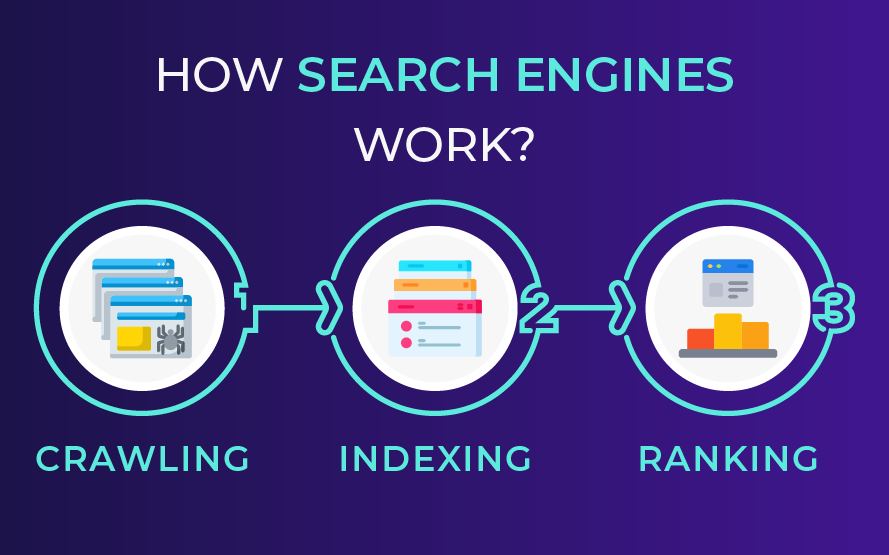
1. Crawling
Google bots crawl the internet and read all available pages.
2. Indexing
Google saves your page in its database.
3. Ranking
Google decides which page deserves to appear on top.
Note : If your website is not optimized, Google won’t rank it.
Types of SEO You Must Know
Understanding the types of SEO will help you use them correctly.
1. On-Page SEO
On-Page SEO is the process of optimizing your website’s content, structure, and HTML elements so search engines like Google can easily read, understand, and rank your web pages.
2. Off-Page SEO
Building trust with backlinks, social signals, and branding.
3. Technical SEO
Improving site speed, mobile-friendliness, sitemap, robots.txt, schema, and structured data.
4. Local SEO
Ranking your business on Google Maps and local searches.
Key SEO Factors That Affect Ranking
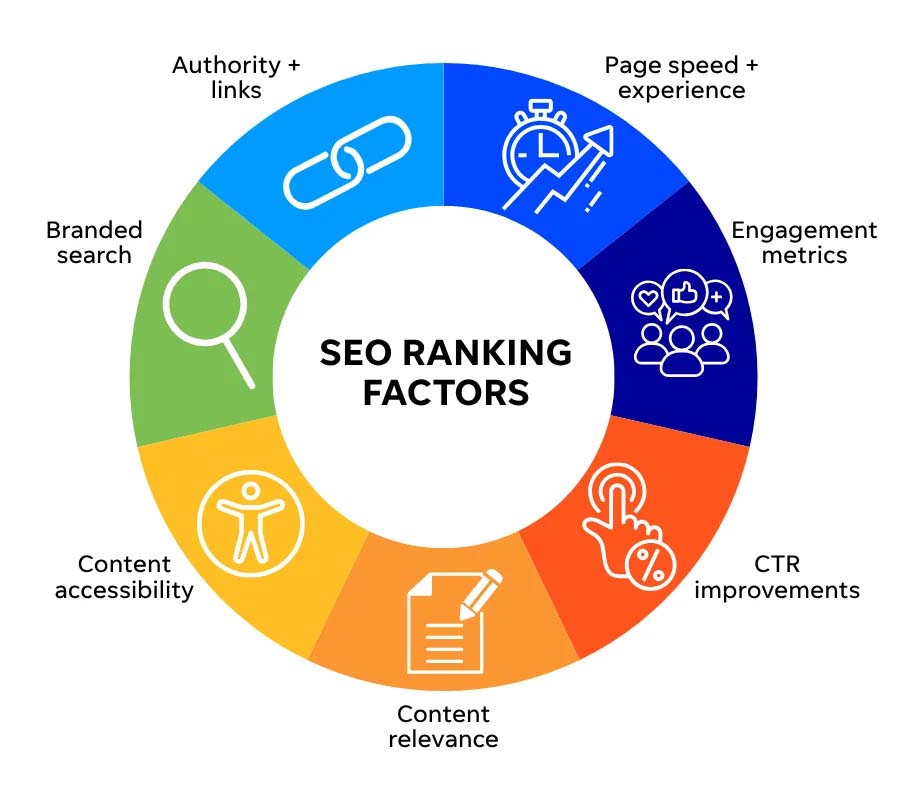
Google uses 200+ ranking factors. Here are the important ones:
Page Speed + Experience
Engagement Metrix
CTR Improvements
Content relevance
Content accessbility
Brand Search
Authority + links
Keyword Research – The Heart of SEO
To target the right audience, you must find the right keywords.
Tools for keyword research:
Google Keyword Planner (External link suggestion)
Ahrefs
SEMrush
Use relevant keywords naturally in your content. This increases your ranking and fulfills content AI optimization.
On-Page SEO Best Practices
This part is extremely important when learning What Is SEO and Why is it Important?
1. Title Tag Optimization
Your page title that appears in Google search results.
Should include your main keyword.
2. Meta Description
A short summary of your page.
Helps improve click-through rate (CTR).
3. Use SEO-friendly URLs :
Short, readable, keyword-based URLs rank better.
Example:
/what-is-seo-and-why-is-it-important
4. Use H1, H2, H3 tags properly
Use only one H1 per page.
Use headings to structure your content.
H1 = Main title
H2/H3 = Subheadings
5. Add keywords naturally
Add target keywords naturally in:
Title, Introduction, Heading, URL, Body content, Image alt tags, Conclusion
6. High-Quality Content
Google loves helpful, original, user-friendly content.
Answer the user’s search intent clearly.
7. Optimize your images
Use compressed images, Write descriptive alt tags, Use correct file names
8. Add internal links
Link to other pages on your website.
Helps Google crawl your site and improves SEO.
9. External Linking
Link to high-authority websites to support your information.
10. Mobile-Friendly Design
Your page must look good on all devices.
Most users are on mobile.
Off-Page SEO Strategies for Higher Ranking
Off-page helps you build trust and authority.
Build high-quality backlinks
Guest posting
Social media promotions
Directory submissions
Business listings
Forum marketing
Backlinks are votes of confidence. More quality links = better ranking.
Technical SEO – The Backbone of Website Ranking
Technical SEO helps your website become more crawlable.
Forum marketing
Improve loading speed
Submit XML sitemap to Google
Use HTTPS
Fix broken links
Add Schema Markup
Optimize Core Web Vitals
Local SEO – Ranking on Google Maps
This is important for local businesses.
Do these:
Create Google Business Profile
Add name, address, phone number
Upload photos
Collect customer reviews
Add local keywords
This improves visibility in your city.
Content Strategy – The King of SEO
If you understand content, you will master What Is SEO and Why is it Important?.
Write high-quality, helpful content
Cover the topic in depth
Use simple language
Add headings and bullet points
Use images, videos, infographics
Google rewards websites that provide value.
Internal & External Link Placement Guide
Where to Put Internal Links (Link to Your Own Blogs):
1. In the “On-Page SEO” section :
→ Internal link to your blog on Website Designing or WordPress website setup
2. In the “Local SEO” section
→ Link to your “Best Digital Marketing Agency in Ahmedabad” page
3. At the end of the blog
→ Link to your Contact Us or Services page
4. In the “Keyword Research” section
→ Link to your “Importance of Digital Marketing” blog
Where to Put External Links (Useful Resources):
1. Keyword Research section :
→ External link to Google Keyword Planner
2. Technical SEO section :
→ Link to Google PageSpeed Insights
3. Crawling & Indexing section :
→ Link to Google Search Console
Benefits of SEO for Businesses
→ More Visibility
→ More Organic Traffic
→ More Sales
→ Builds Trust
→ Improves User Experience
→ Long-term growth
Common SEO Mistakes to Avoid
✘ Keyword stuffing
✘ Copying content
✘ Slow website
✘ Not using mobile-friendly design
✘ Buying poor backlinks
✘ Ignoring technical issues
Fix these to improve ranking.
Conclusion – Understanding What Is SEO and Why is it Important?
In this complete guide, you learned What Is SEO and Why is it Important? SEO is the most powerful and long-term method to grow your website organically. It helps you reach the right customers at the right time without spending money on ads. If you follow proper SEO techniques—keyword research, on-page optimization, content writing, backlinks, user experience, and technical improvements—you can rank higher on Google and grow your business online.
If you need help with SEO services, you can contact us anytime. We provide complete SEO solutions to increase your ranking and traffic.